
Cultivating Capacity
creating space for self-compassion and community care in dark times

“I think I might be starting to fall into a depression,” I told my spiritual care director, Pastor J, at our graduate seminary school approximately three years ago today.
When you’re going into any type of ministry, grappling with some major internal rumblings is part of the journey. She was hired as additional spiritual and emotional aid for graduate students, a much-needed service beyond mere academic support.
I was beginning my second year of graduate school at the time. I hadn’t adjusted as well as I thought I would. I thought I could do everything I was doing before and simply add grad school as an extra ball to juggle. I’d adapt and things would pan out. So naive.
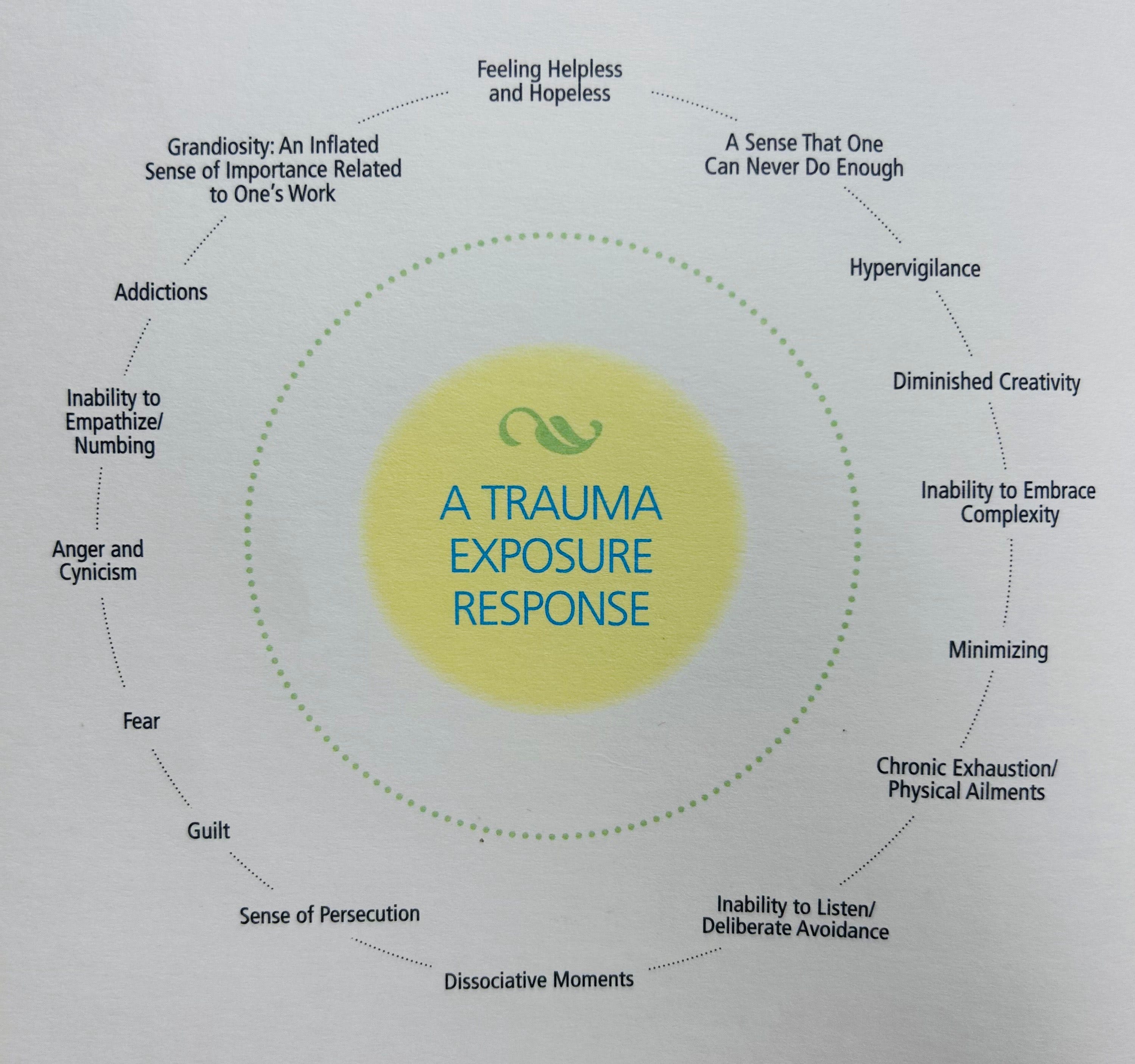
Instead, I was starting to fall apart at the seams. I was a having a hard time feeling present for anything—something I often do when I’m overloaded with pain while simultaneously minimizing my own struggles.
I often will reach out to someone more capable when I’m starting to slip. It’s my attempt to throw a lifeline back to the boat when I feel myself drifting off into the ocean. It’s my way of putting on a lifesaver before I drown. I put what little energy I have left into blowing the whistle so someone notices. This is not the first time I’ve wandered lost at sea. I know the signs.
I often can’t find the energy to summon all the suppressed emotions behind my anxieties and forthcoming depression. It’s too much work. But I can will myself to summon it up just once if the right trusted person comes along. A person I sense who isn’t preoccupied with saying the right thing, but whose presence says more than any words.
Through a Zoom window, she listened intently while I tearfully explained my worries about capacity after reading texts on self-care. Scouring through these assigned readings, it hit me that my emotional capacity was more limited than I assumed. Even after all the healing and growth, even after all the lessons I learned to escape the burn out cycle I felt trapped in, even after all the wisdom and tools I gained… earned… through my lived experiences… maybe my self-care was still not sufficient for the work in front of me. I worked so damn hard for many years and came to realize that I only moved the needle a tiny bit. I felt like giving up.
Pastor J responded with a promise—my emotional capacity would expand. She said it plain and clear, free of doubt. I remembered reading that resilience is like a rubber band that needed stretching to lengthen. It needed time and gentle stretching, not a forced and drastic pulling beyond my current limitations.
I pulled myself toward believing her, placing this assertion above my own self-doubt. I considered the idea that perhaps my predecessors have wisdom to offer me from decades further down the path. My spiritual director was in her late 60’s, previously serving in parish ministry work in Oakland, retired from the Air Force where she toiled as a social worker, and is a Black woman. I’m sure there’s more—so much more— to say about her here. In short though, she was a total badass who enveloped radical love and now shepherded baby ministers, chaplains, and spiritual leaders in their infancy. It made more sense to believe her than the false self-narratives I’ve been hypnotized by before—the ones that would eventually pin me down in a hole, powerless and bed-ridden, if I let them. If that happened, I don’t know how long it would be before I got back out.
So I cried. And I believed her.
Fast forward three years later to today.
I went into graduate school as 45th was leaving his first term and the pandemic was in full swing. I graduated just as he was coming in again as the 47th, his second term. I’m a different person since confronting this administration the first time.
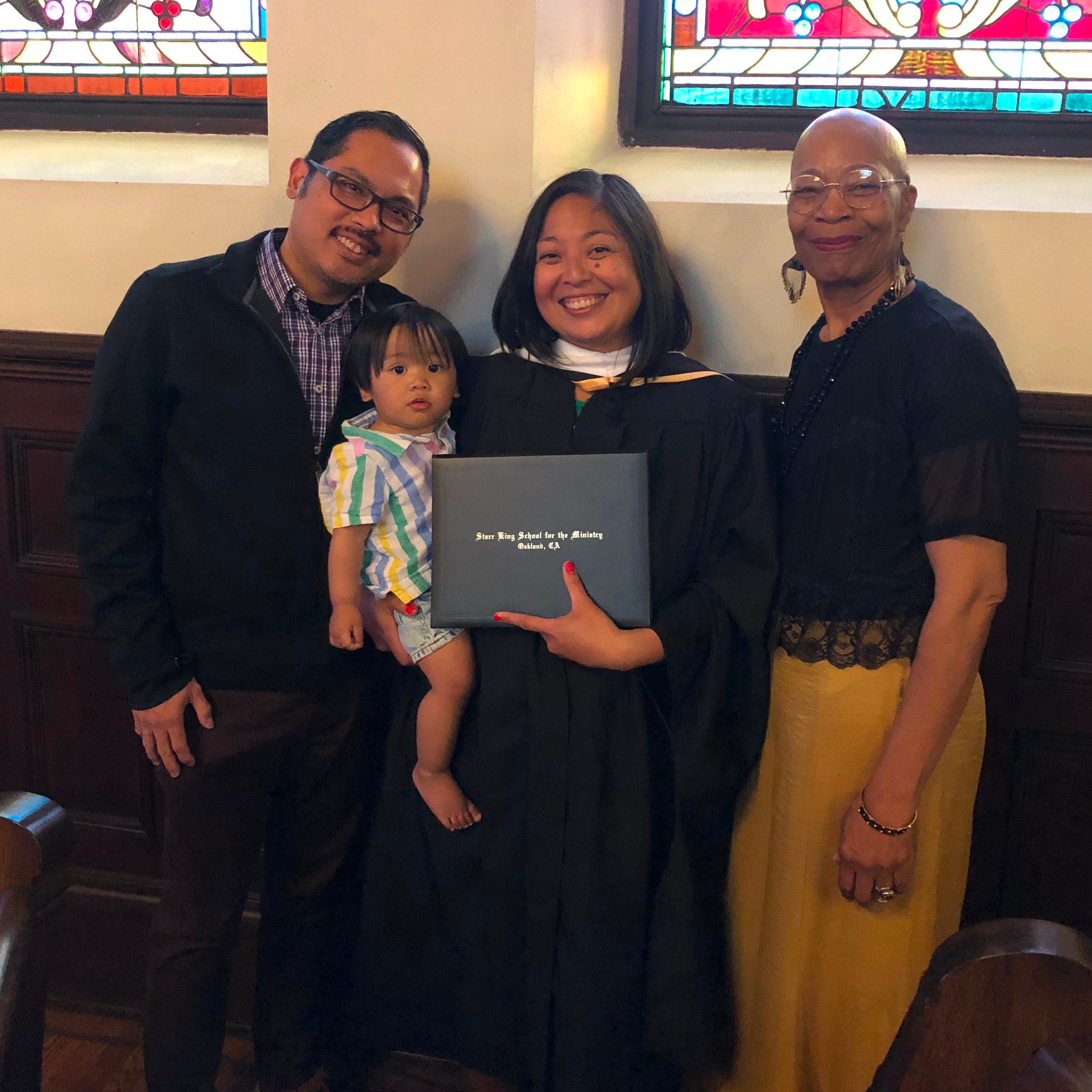
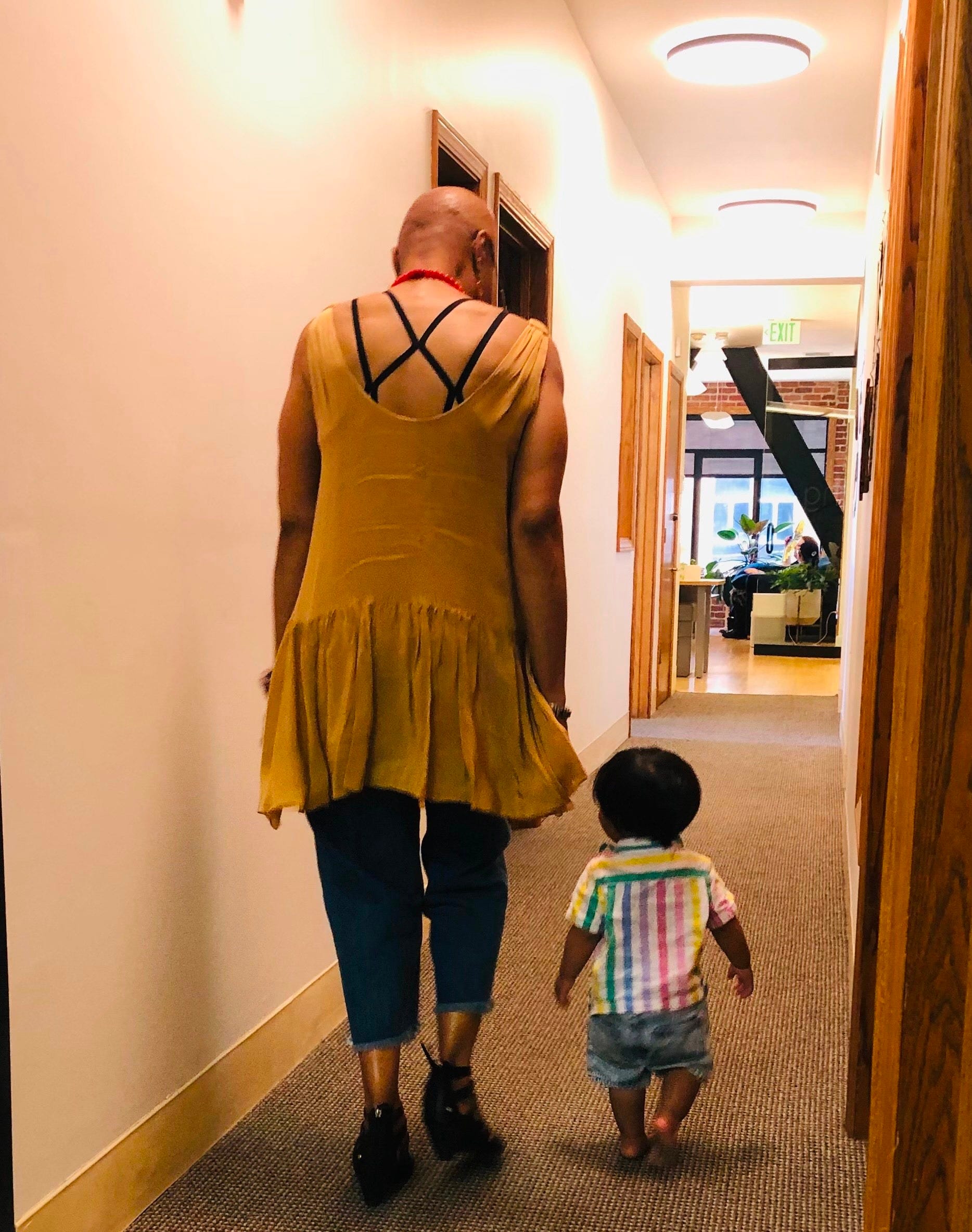
At my graduation, Pastor J, who ushered me through the aforementioned session above (and many others, including two Spiritual Direction groups), offered to babysit our 18-month old so my partner could be completely present when I crossed the spiritual-academic threshold. When I gave my two-minute speech, I looked up to see her holding him squarely in the middle of the church, smiling and pointing, coaxing him to wave to me.
And my emotional capacity? She was right. My emotional capacity continued to expand. Markedly.
Looking back, it wasn’t just that my emotional capacity expanded but also that I learned to set boundaries to protect the load I chose to carry at any given moment.
I’ve learned to pay attention to how my capacity fluctuates from day to day, based on internal weather (i.e. my menstrual cycle, gut health, or oncoming ailment) or external circumstances (ex. personal conflicts, attacks by administration, natural disasters, a day full of moderate inconveniences) and to temper my expectations for myself accordingly.
I’m continuing to evolve in the self-compassion I offer myself in those instances where my emotional reserves are running low. When I can’t seem to muster up the energy for self-compassion, I confide in someone who can hear me and offer up that compassionate encouragement instead. I don’t need to do it alone.
I relish the elements of my life that bring me the most joy without guilt—a meaningful conversation, coming back to my body and breath with music, observing the beauty of the natural world around me, refining creative ideas, or indulging in a good story or meditative activity. I generate joy within me not as a place to hide, not as a buffer to forget wrongdoings, but as nourishment for my soul.
The biggest difference is that I once viewed my life with a definitive threshold where “good enough” was the barometer for all activities. I often wasn’t making that mark by my own obnoxiously high standards. And when I did, I would move that goalpost farther away. Minimize my accomplishments, then work myself harder.
But now? I keep re-teaching myself to hold the both/and. I am healed and I am healing. There is no final arrival—the truth is I arrive at every moment. I practice with no end point, only an upwardly evolving spiral my children and future generations I impact will continue on when I am long gone. This perspective is much less binary, a significantly less judgmental way of being that I started to internalize because of the teachers and community I’ve met along the way. These practices are a path toward liberation, a more whole sense of myself.
I came to this point where I understood the truth after many crucial conversations—there will always be healing to do. Old scars heal but maybe stay tender underneath, exacerbated when pushed on. New wounds will form. That’s not a moral failure. That’s just part of life.
Living tissue breaks and it needs repair. And so does my soul.
I don’t have to hustle like my worth depends on it until my last breath. Rest is available to me when I internalize that I don’t have to be ‘good enough’ to deserve it.
I intentionally attempt to take more time to fully process grief. I’ve put structural supports in place (my therapist, my beloveds, my anchoring practices) to catch me when I start to fall because individualism is a myth that conspires to isolate us.
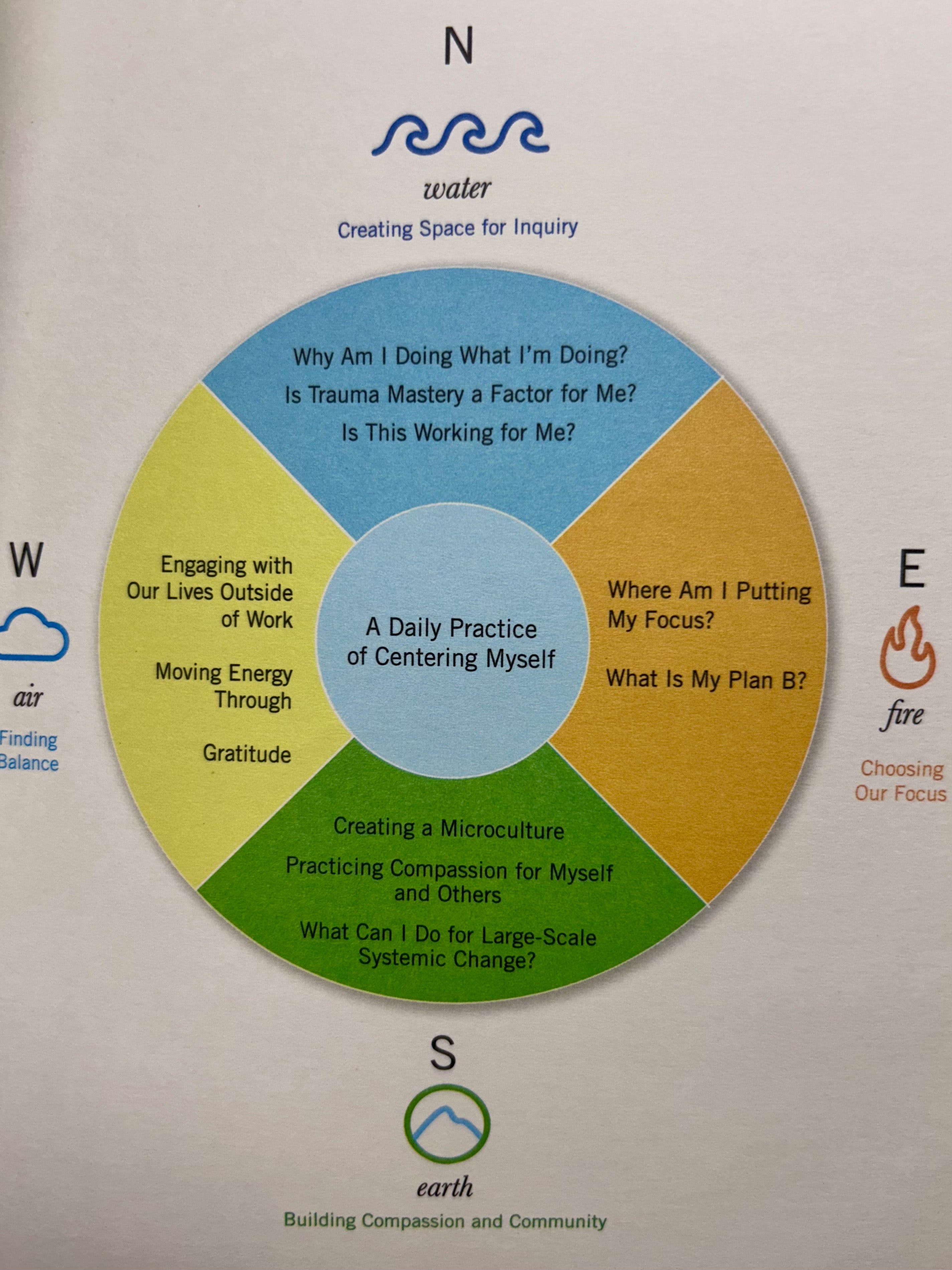
I purposely say: “I try”, “I attempt”, and “I re-teach myself” because there is no perfect execution. I still forget. And when I do, I write to remember. Others can help bring me back to the truth like Pastor J did that day, and many other days. And I do my best to not be hard on myself, but soft, when old patterns emerge. Because they will.
That is the cycle of living.
I’ll continue to have ebbs and flows in my energy and what I can hold. And that’s okay.
As I/we in the US adjust to living under a fascist regime that is hurting so many of our friends and neighbors or us personally, I struggle with how to write meaningfully and contribute effectively, beyond just processing my personal grief or outrage. Especially when my creative well feels like it is running dry… This piece, while making me cry (especially that final picture), is the sort of writing I aspire to and hoped to join Substack to find. Thank you, Jasmine! And hey, I was at the Korean dayspa just yesterday and thought of you. Are you finding time and space and support to take care of yourself?